
Criterion Refrigerator Manual: A Comprehensive Guide
Welcome! This manual provides essential guidance for optimal performance and longevity of your Criterion refrigerator, focusing on energy efficiency and cost savings.
Criterion refrigerators are designed with a commitment to innovation, reliability, and user satisfaction. We understand that a refrigerator is a central component of any modern kitchen, and we strive to deliver appliances that seamlessly integrate into your lifestyle while preserving your food’s freshness.
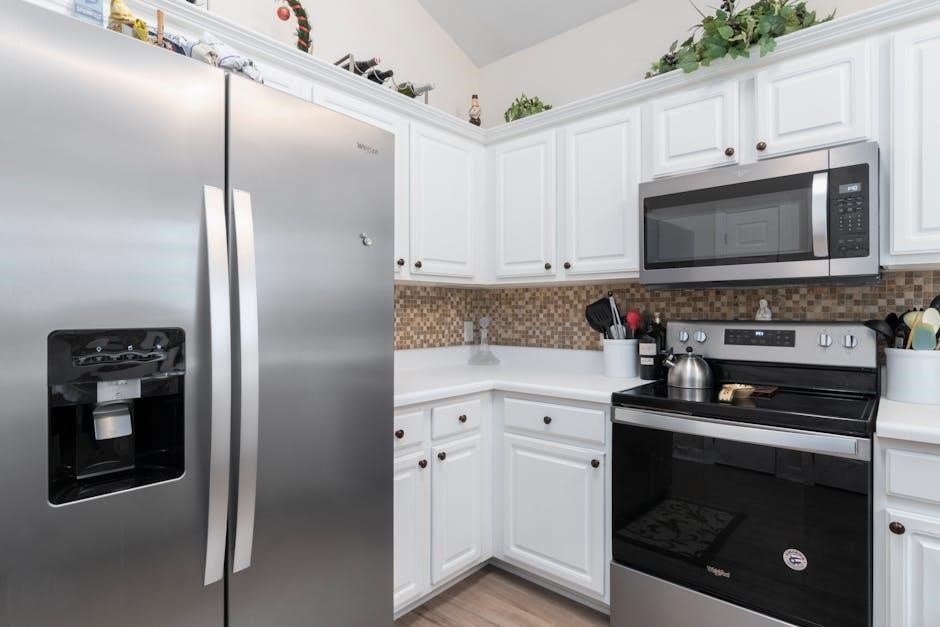
Our refrigerators boast advanced cooling technologies, intuitive controls, and durable construction, ensuring years of dependable service. A key focus in recent models is energy efficiency – a significant benefit for both your wallet and the environment. Compared to older refrigerators, newer Criterion models offer substantial energy savings, reducing your electricity bill over the appliance’s lifespan.
This manual will guide you through every aspect of your Criterion refrigerator, from initial setup and daily operation to troubleshooting and maintenance. We are confident that with proper care, your Criterion refrigerator will provide exceptional performance for years to come.
Understanding Your Model Number & Serial Number
Locating your refrigerator’s model and serial number is crucial for accessing warranty information, ordering replacement parts, and receiving accurate customer support. These numbers uniquely identify your specific appliance configuration. The model number typically indicates the refrigerator’s features and size, while the serial number denotes its manufacturing date and production sequence.
You’ll generally find these numbers on a sticker or plate located inside the refrigerator compartment. Common locations include the side wall, near the crisper drawers, or on the frame of the freezer door. Please record both numbers in a safe place for future reference.
When contacting Criterion customer support, having this information readily available will expedite the assistance process. It ensures we can provide tailored solutions specific to your refrigerator model.
Initial Setup and Installation
Proper installation is vital for ensuring your Criterion refrigerator operates efficiently and reliably. Before beginning, verify you have adequate space and a suitable electrical outlet. Allow sufficient clearance around the refrigerator for proper ventilation – typically a few inches on the sides and back.

Carefully review the included dimensions to confirm it fits through doorways and into the designated space. Avoid placing the refrigerator near heat sources or in direct sunlight. Ensure the floor is level before proceeding, as an uneven surface can cause operational issues.
Once positioned, connect the refrigerator to a grounded electrical outlet. Do not use extension cords. Allow the refrigerator to stand upright for several hours before powering it on.
Unpacking and Inspection
Carefully unpack your new Criterion refrigerator, retaining all packaging materials until you’ve confirmed everything is present and undamaged. Begin by removing the exterior wrapping, then inspect the appliance for any visible signs of shipping damage – dents, scratches, or broken parts.
Document any damage immediately with photographs and contact your retailer or Criterion customer support. Next, open the doors and check the interior for loose components or debris. Remove all packing tape and protective films from both the interior and exterior surfaces.
Verify that all included accessories – shelves, door bins, ice trays, and the water filter (if applicable) – are present. Refer to the parts list in this manual to ensure completeness.

Leveling the Refrigerator
Proper leveling is crucial for optimal performance and quiet operation of your Criterion refrigerator. Use a level to check both the side-to-side and front-to-back alignment. Most models feature adjustable front leveling feet – rotate these feet clockwise to raise the refrigerator and counterclockwise to lower it.
Adjust the feet until the refrigerator is perfectly level and doesn’t rock. An uneven refrigerator can cause doors to not seal properly, leading to temperature inconsistencies and increased energy consumption. Ensure the refrigerator is stable and doesn’t wobble when gently pushed.
Final check: Once leveled, re-check the door alignment. Doors should close smoothly and securely without assistance. If necessary, make minor adjustments to the leveling feet for a perfect seal.
Connecting to Power
Before connecting your Criterion refrigerator to a power source, ensure the voltage matches the specifications listed on the appliance’s data plate, typically located inside the refrigerator compartment. It’s highly recommended to plug the refrigerator into a dedicated, grounded electrical outlet.
Avoid using extension cords or multi-outlet adapters, as they can pose a safety hazard and may not provide sufficient power. If a dedicated outlet isn’t available, consult a qualified electrician for installation. Once confirmed, firmly plug the power cord into the outlet.
Initial power-up: Allow the refrigerator several hours to reach its optimal operating temperature before loading it with food. Avoid frequent door openings during this initial cooling period to maximize efficiency.
Key Features and Controls
Your Criterion refrigerator is designed with user-friendly features for optimal food preservation and convenience. Familiarize yourself with the control panel, typically located inside the refrigerator compartment or on the exterior door. This panel allows precise temperature adjustments for both the refrigerator and freezer sections.
Explore the ice maker and water dispenser functionalities, if equipped, for chilled water and ice on demand. Adjustable shelving and door bins offer customizable storage solutions to accommodate various food items and containers. Understanding these controls ensures efficient operation and maximizes the lifespan of your appliance.
Temperature Control Settings
Adjusting the temperature is crucial for food safety and preservation; Criterion refrigerators typically utilize a dial or digital display for temperature control. Recommended settings are generally 37°F (3°C) for the refrigerator and 0°F (-18°C) for the freezer, but these can be adjusted based on your needs.
Lower temperatures are ideal for short-term storage of highly perishable items, while slightly warmer settings can conserve energy. Avoid drastic temperature changes, as this can affect food quality. Regularly monitor the internal temperature with a thermometer to ensure optimal performance and maintain food safety standards within your Criterion refrigerator.
Ice Maker and Water Dispenser Operation
Your Criterion refrigerator’s ice maker automatically produces ice, requiring a connected water supply. Initial production may take up to 24 hours, and discarding the first few batches is recommended. The water dispenser provides chilled, filtered water on demand. Ensure the water supply valve is fully open for optimal performance.
To activate or deactivate the ice maker, locate the control arm – typically found inside the freezer compartment. Regularly check the water filter (see section on filter replacement) to maintain water quality and ice production. If issues arise, verify the water line isn’t kinked and the freezer temperature is sufficiently cold.

Adjustable Shelving and Door Bins

Criterion refrigerators are designed with flexibility in mind, featuring adjustable shelving and door bins to accommodate various sized items. Shelves can typically be repositioned or removed entirely, allowing for customized storage configurations. Door bins offer convenient access to frequently used items like condiments and beverages.
To adjust shelving, gently lift the shelf upwards and reposition it into the desired slots. Ensure the shelf is securely seated before placing items on it. Door bins can often be removed and reattached by lifting them upwards or outwards, depending on the model. Regularly rearranging your refrigerator’s interior maximizes space and improves organization.
Daily Use and Maintenance
Maintaining your Criterion refrigerator ensures optimal performance and longevity. Regular cleaning is crucial; wipe up spills immediately to prevent staining and odors. A thorough interior cleaning should be performed monthly, using a mild detergent and warm water. Don’t forget to clean the exterior surfaces with a soft cloth.
Consistent maintenance extends the life of your appliance. Regularly check the door seals for proper closure, and clean them to maintain efficiency. Remember to replace the water filter (if applicable) according to the recommended schedule. Proper care will keep your Criterion refrigerator running smoothly for years to come.
Cleaning the Interior and Exterior
For interior cleaning, always disconnect power to avoid electrical shock. Remove all shelves and drawers, washing them with warm, soapy water. Wipe down the interior walls and ceiling with a solution of baking soda and water – this neutralizes odors effectively; Rinse thoroughly and dry all components before replacing them.
Exterior surfaces require gentle care. Use a mild detergent and a soft cloth to wipe down the doors, sides, and top. Avoid abrasive cleaners, as they can damage the finish. Stainless steel models benefit from stainless steel cleaners for a streak-free shine. Regular cleaning maintains appearance and hygiene.
Replacing the Water Filter
Maintaining optimal water quality requires regular filter replacement, typically every six months, or as indicated by the filter indicator light. First, locate the filter – usually within the refrigerator compartment or base grille. Gently twist or push the old filter to release it, noting the alignment for the new one.
Before installing the new filter, ensure it’s the correct replacement model for your Criterion refrigerator. Align the new filter with the housing and twist or push it into place until secure. Flush the system by dispensing water for several minutes to remove any air or loose particles. Reset the filter indicator light according to the manual’s instructions.
Defrosting (if applicable)
If your Criterion refrigerator isn’t frost-free, manual defrosting is occasionally necessary to maintain peak performance. Begin by unplugging the refrigerator to ensure safety. Remove all food items and store them appropriately. Place towels or pans inside to catch melting frost.

Allow the frost to melt naturally – avoid using sharp objects or excessive heat, which can damage the interior. Once the frost has completely melted, thoroughly clean and dry the interior. Finally, plug the refrigerator back in and allow it to reach the desired temperature before restocking with food. Regular defrosting prevents ice buildup and ensures efficient cooling.
Troubleshooting Common Issues
Encountering problems with your Criterion refrigerator? This section addresses frequent concerns. If the refrigerator isn’t cooling, check the power supply, temperature settings, and door seals. For ice maker malfunctions, ensure the water line is connected and not frozen, and the ice maker is switched on.
Water dispenser issues often stem from a clogged water filter or frozen water line. Regularly replacing the filter is crucial. If problems persist after these checks, consult the full manual or contact customer support. Prioritize safety – always disconnect power before attempting any repairs beyond basic checks;
Refrigerator Not Cooling
If your Criterion refrigerator isn’t cooling, begin with simple checks. Verify the power cord is securely plugged into a functioning outlet. Confirm the temperature control settings haven’t been accidentally adjusted to a warmer setting. Inspect the door seals for any gaps or damage, as compromised seals allow warm air to enter.
Also, ensure the condenser coils are clean and free of dust, as dirty coils reduce cooling efficiency. A blocked vent inside the refrigerator can also restrict airflow. If these steps don’t resolve the issue, there may be a problem with the compressor or refrigerant – contact a qualified technician.
Ice Maker Malfunctions
Should your Criterion refrigerator’s ice maker cease functioning, first confirm the ice maker is switched ‘on’. Check that the water supply line is properly connected and the water supply valve is fully open. A frozen water line can also prevent ice production; inspect for any ice buildup and thaw if necessary.
Furthermore, ensure the ice bin isn’t overfilled, as this can jam the mechanism. If the ice maker continues to malfunction, it might require a reset – consult the full manual for specific reset instructions. Persistent issues could indicate a faulty ice maker component, necessitating professional repair.
Water Dispenser Problems
If your Criterion refrigerator’s water dispenser isn’t working, begin by verifying the water supply line is securely connected and the shut-off valve is completely open. A clogged water filter is a common culprit; replace it according to the recommended schedule – typically every six months.
Low water pressure can also affect dispenser performance. Check your home’s water pressure and ensure it meets the refrigerator’s requirements. If the dispenser still doesn’t work, air may be trapped in the line; dispense water continuously for several minutes to purge the air. For ongoing issues, professional service may be needed.
Energy Efficiency and Savings
Criterion refrigerators are designed with energy conservation in mind, offering significant savings over older models. Understanding Energy Star ratings is crucial; a higher rating indicates greater efficiency and lower operating costs. Regularly check door seals for airtightness, as leaks force the compressor to work harder.

Maintain proper temperature settings – avoid excessively cold settings. Keep the condenser coils clean, as dust buildup reduces efficiency. Minimize door openings and organize contents for quick retrieval. These simple habits contribute to substantial long-term energy savings and a reduced environmental footprint with your Criterion appliance.
Understanding Energy Star Ratings
Energy Star is a government-backed program identifying the most energy-efficient products. Criterion refrigerators proudly display this label, signifying they meet strict guidelines set by the Environmental Protection Agency (EPA). A lower estimated yearly energy cost translates directly into savings on your electricity bill.
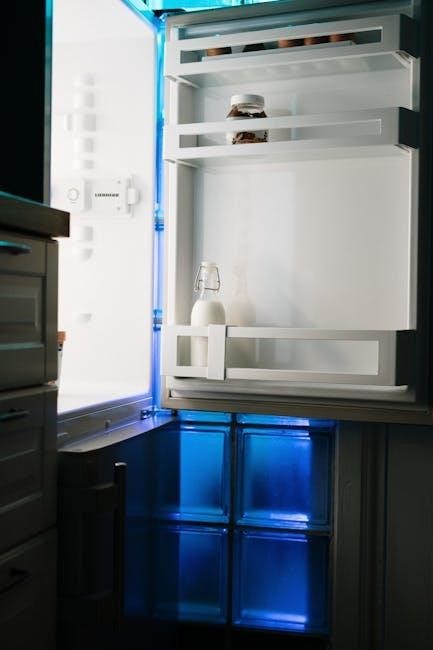
Look for the yellow EnergyGuide label – it details the appliance’s estimated annual energy consumption and compares it to similar models. Higher Energy Star ratings mean reduced greenhouse gas emissions and a smaller carbon footprint. Choosing an Energy Star certified Criterion refrigerator is a smart investment for both your wallet and the environment.
Tips for Maximizing Energy Efficiency
To optimize your Criterion refrigerator’s efficiency, ensure proper door seals – check for air leaks regularly. Avoid prolonged door openings; plan what you need before accessing the fridge. Maintain adequate ventilation around the unit, leaving space for airflow.
Keep the condenser coils clean as dust buildup forces the compressor to work harder. Set the temperature to the recommended settings – typically 37°F (3°C) for the refrigerator and 0°F (-18°C) for the freezer. Don’t place hot foods directly inside; allow them to cool first. These simple habits contribute to significant long-term energy savings.
Warranty Information and Customer Support
Your Criterion refrigerator is covered by a limited warranty, protecting against manufacturing defects in materials and workmanship. The standard warranty period is one year for parts and labor, with an extended warranty available for the sealed system (compressor, condenser, evaporator) – typically five years.
To initiate a warranty claim, retain your proof of purchase and contact Criterion’s customer support team. For assistance, visit our website at [insert website address here] or call our toll-free number at [insert phone number here]. Our dedicated support representatives are available to address your concerns and guide you through the process efficiently.